Acrocomia crispa
Geoff Stein - Author & Editor
Common Name: Cuban Belly Palm
Acrocomia crispa has been known for many years as Gastrococos crispa, but the got lumped into Acrocomia recently. This Cuban palm is somewhat marginal, but several have grown this palm fairly well and at least one trunking palm exists in California. In nature this spiny palm develops a large swollen area mid trunk, but so far it does not seem to do that in California. Even the leaves have spines on this plant, but with age the trunk begins to lose some of its thorniness.
|
Appearance and Biology
|
Horticultural Characteristics
|

San Diego county, California

another view of San Diego palm

San Diego county

San Diego county

mature palms, Fairchild Tropical Gardens, Miami, Florida

Fairchild Tropical Gardens

mature palm in Thailand, Nong Nooch Tropical gardens

Miami, Florida, Montgomery Foundation

trunk in California

juvenile in Orange County, California

crown of palm in Miami

leaf in California

leaf on juvenile palm

immature palm in Nong Nooch gardens, Thailand

juvenile in Leu Gardens, Orlando, Florida
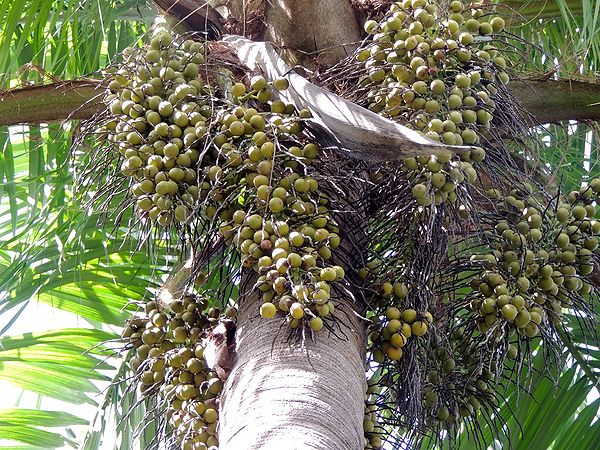
infructescence in Miami

seedlings below mature palm, Fairchild gardens


